
Review Summary
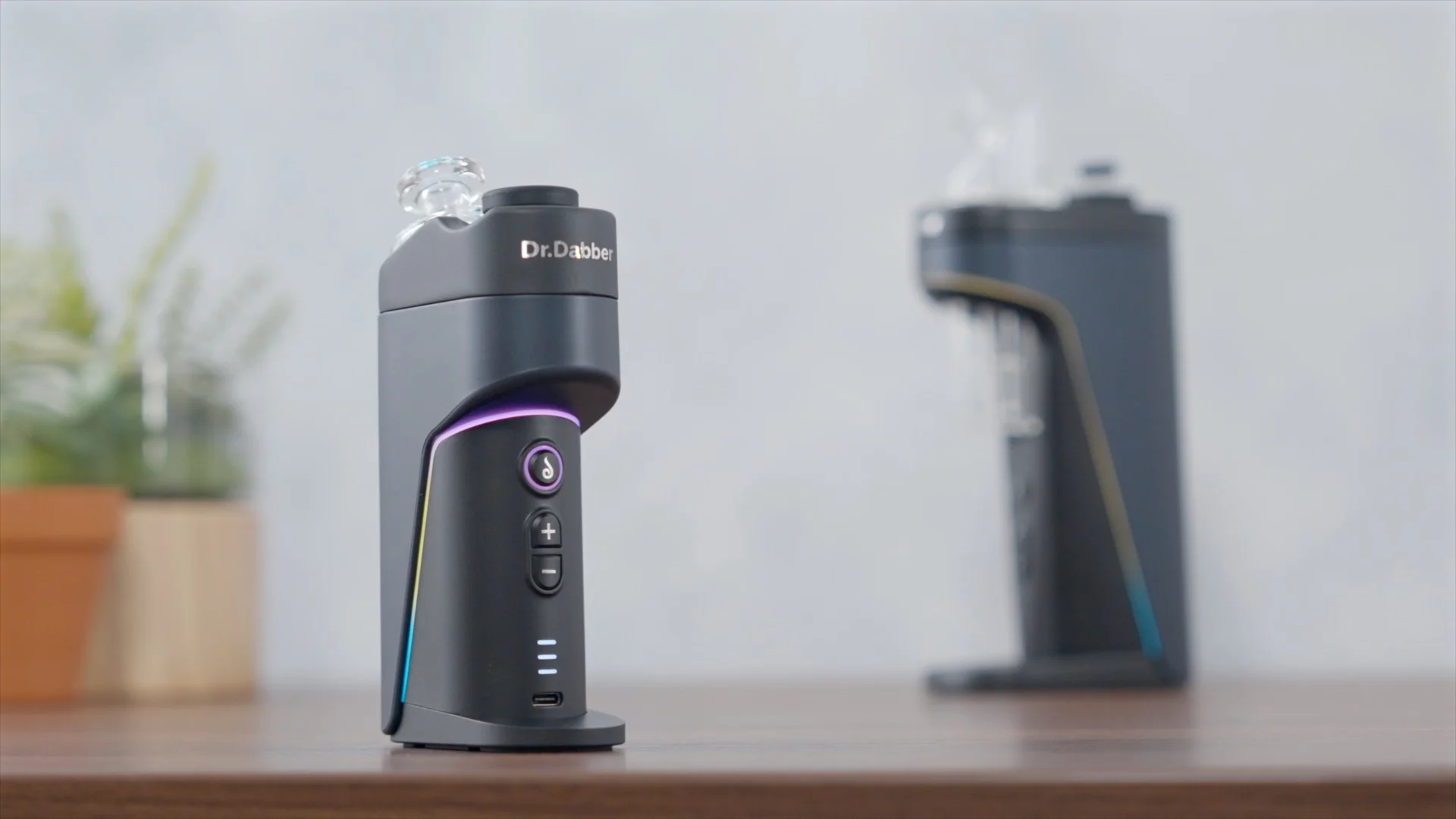
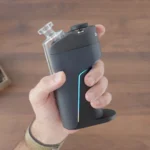
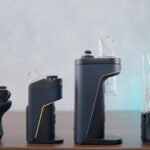
The Dr. Dabber Switch Go is the follow-up to the Switch 2, taking the same core “no atomizers” eRig design and shrinking it into a smaller, cheaper, more portable package. It drops induction heating in favor of a dual parallel mesh heating system paired with a contact RTD temperature sensor, which is simpler and more power-efficient while delivering nearly identical vapor quality. The titanium chamber holds a replaceable quartz insert, the bubbler sits recessed inside the body for better stealth and safety, and the carb cap moves the air intake holes underneath so you can’t accidentally block them with your finger. After 200 sessions I noticed only a slight performance gap behind the Switch 2 at the heavy-use end of the spectrum. For normal daily use it’s essentially the same vapor in a more practical package. At $330 versus the Switch 2’s $420, it’s also $90 cheaper. This is now my daily driver and the new default recommendation in the eRig category.
- • #1 on Best eRigs & eNails
- • #1 on Best overall
✓ Pros
- Extremely high price/performance ratio
- Nearly identical vapor quality to the Switch 2 at $90 less
- Same "no atomizer to replace" architecture
- Same smartphone app as the Switch 2
- Significantly more compact and more practical for everyday use
✗ Cons
- Smaller chamber than the Switch 2
- Hot knife is basically required to load this chamber cleanly
Pricing Info ⓘ
Comparison
Switch GO
|
Dr.Dabber Switch 2
|
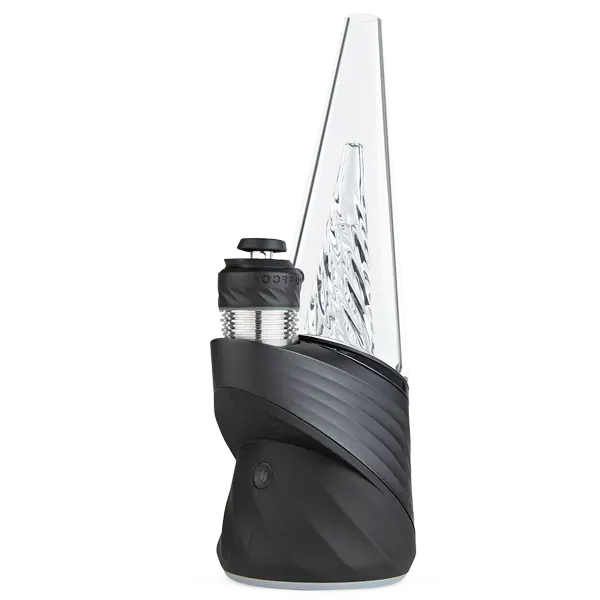
Peak Pro
|
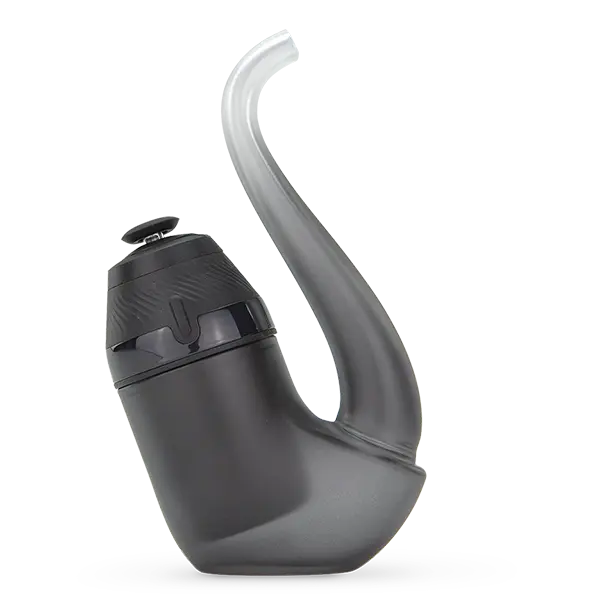
Puffco (new) Proxy
|
|
|---|---|---|---|---|
| Score (1-5) |
4.9 Current Review |
4.8 |
4.7 |
4.6 |
| Brand | Dr Dabber | Dr. Dabber | Puffco | Puffco |
| Retail Price |
$330.00 |
$420.00 |
$420.00 |
$250.00 |
| Release Date | June 2026 | October 2024 | June 2023 | September 2025 |
| Compatible With | Concentrates | Concentrates | Concentrates | Concentrates |
| Body Material | Aluminum | Metal | Glass | |
| Mouthpiece Material | Glass | Glass | Glass | Glass |
| Heat Up Time | 5 Seconds | 10 Seconds | 10 Seconds | 15 Seconds |
| Precise Temp Control | ✓ | ✓ | ✓ | ✓ |
| Temperature Range | 250-650°F | 450-600°F | 200-620°F | |
| Oven Material | Quartz | |||
| 510 Thread | ✗ | ✗ | ||
| Coil Type | Quartz Bowl | Quartz Bowl | Ceramic Bowl | Ceramic Bowl |
| Glass Compatible | ✗ | |||
| Battery Type | Internal | Internal | Internal | Internal |
| Sessions Per Charge | 6-9 | 12-15 | 6-9 | 6-9 |
| Charge Time | 1-2 Hours | 2-3 Hours | 1-2 Hours | 1-2 Hours |
| Charger Type | USB-C | USB-C | USB-C | USB-C |
| Passthrough Charging | ✓ | ✓ | ✓ | |
| Display Type | LED | Light Strip | LED | Lightstrip |
| Smartphone App | ✓ | ✓ | ✓ | ✓ |
| Firmware Updates | ✓ | ✓ | ✓ | ✓ |
| Session Mode | ✓ | ✓ | ✓ | ✓ |
| Adjustable Airflow | ✗ | ✗ | ✗ | ✗ |
| Warranty | 1 Year | 2 Years | 1 Year | 2 Years |
Video Review
Background
The Dr. Dabber Switch Go is Dr. Dabber’s newest release, and the direct follow-up to the massively successful Switch 2, the device that put the whole industry on notice and, in my view, took the eRig crown from the Puffco Peak Pro. I’ve been daily-driving the Switch Go for a couple of months now, racking up around 200 sessions, and I’ve enjoyed each and every one of them.
The Switch Go retails for $330 from Dr. Dabber’s official store or from VGEAR.COM which also offers discounted bundles that include a hot knife and a TUCKFORM carry case.
That’s $90 less than the Switch 2 which retails at $420 (includes the $40 hot knife in the kit.) BUT, I have a $50 coupon code for the Switch 2 (code VG50 at the Dr.Dabber official store) so that drops it to $370- which is the same price of the Switch GO + Drop hot knife. So the two are the same price when using my coupon and factoring in the hot knife.
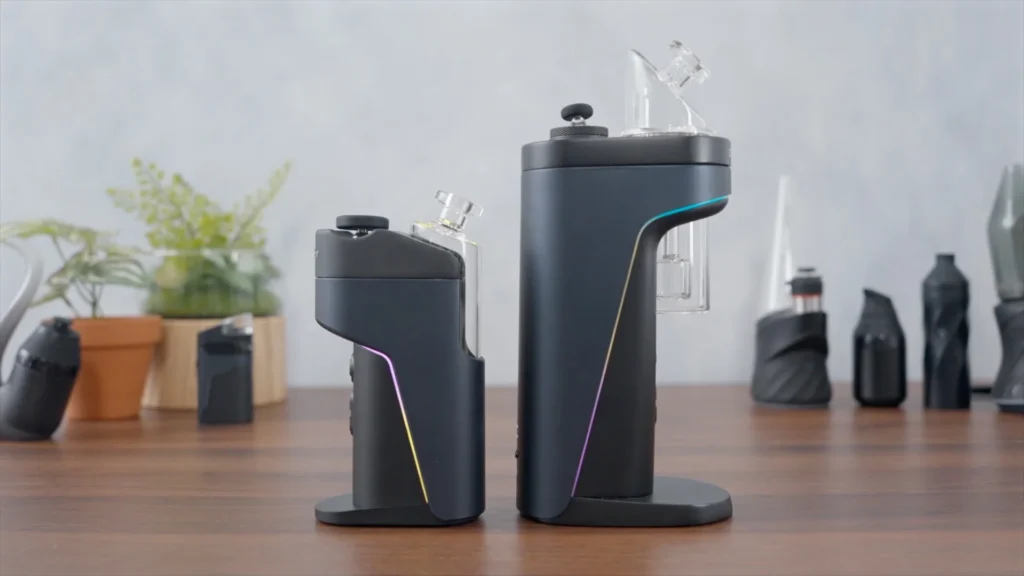
In this review, I’ll break down the design and the new heating system, walk through the app, the cleaning routine, and the optional Sapphire Plus insert, then put it head to head against the Switch 2 so you can decide which one actually makes sense for your use case.
Design
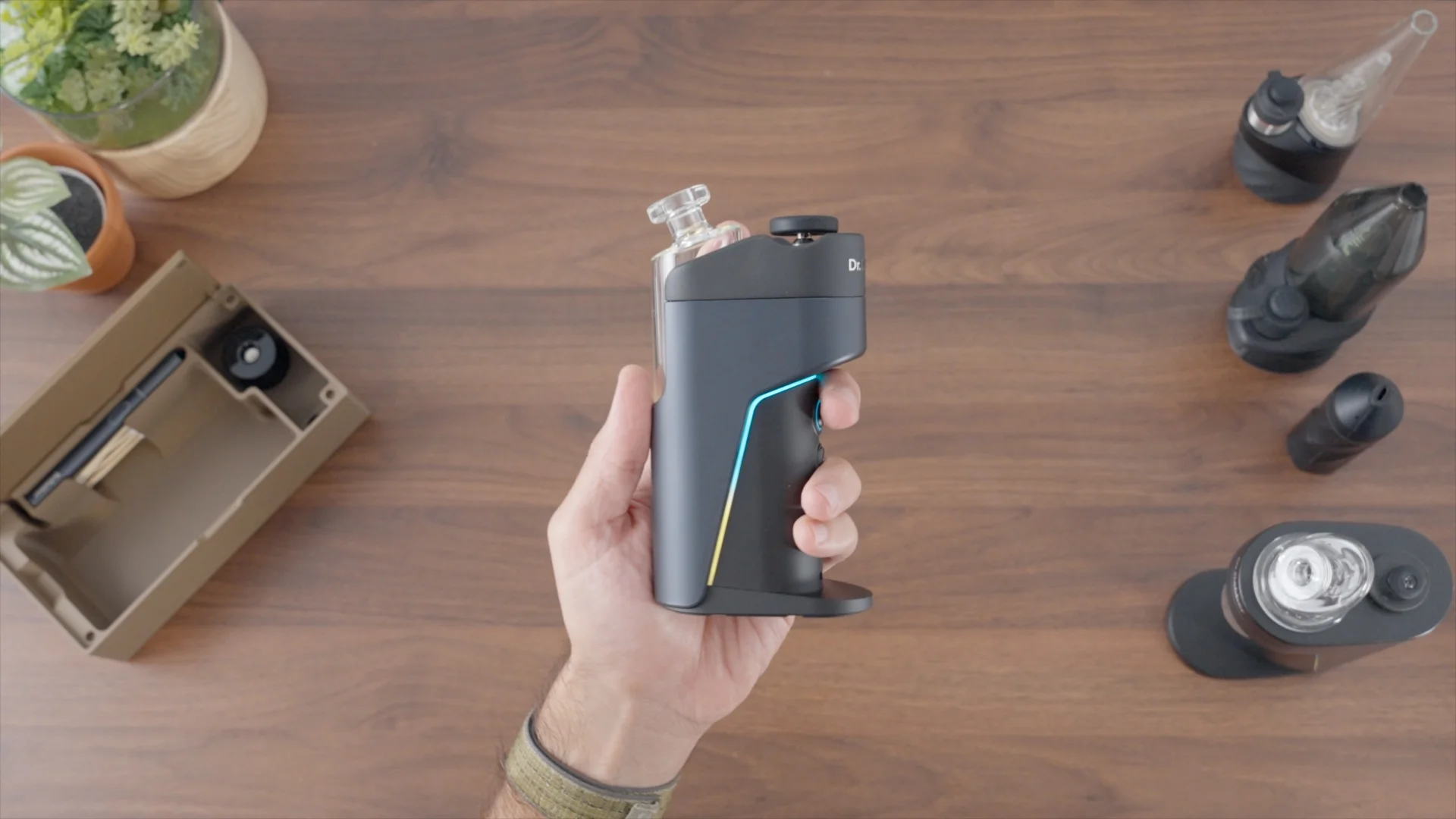
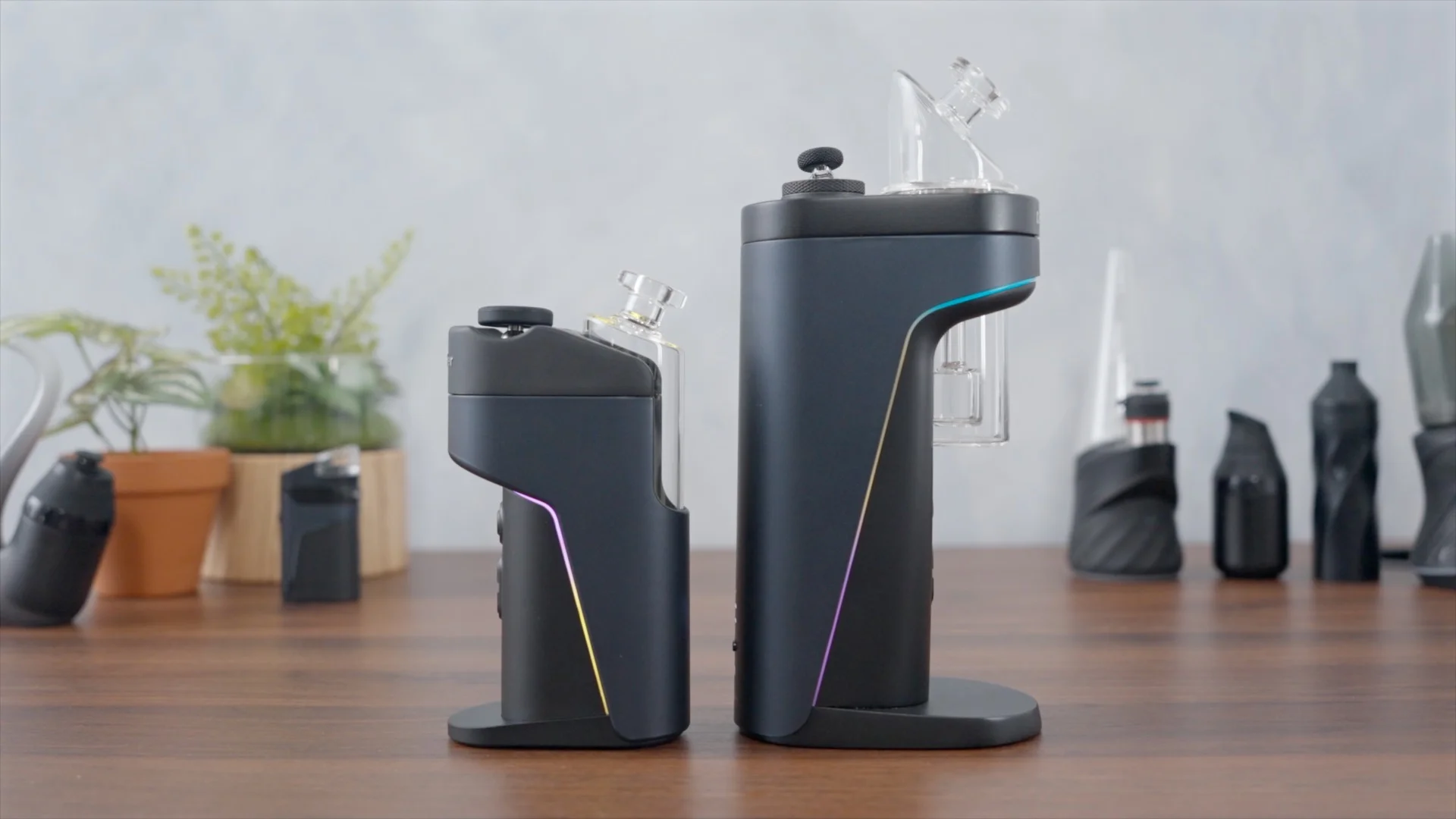
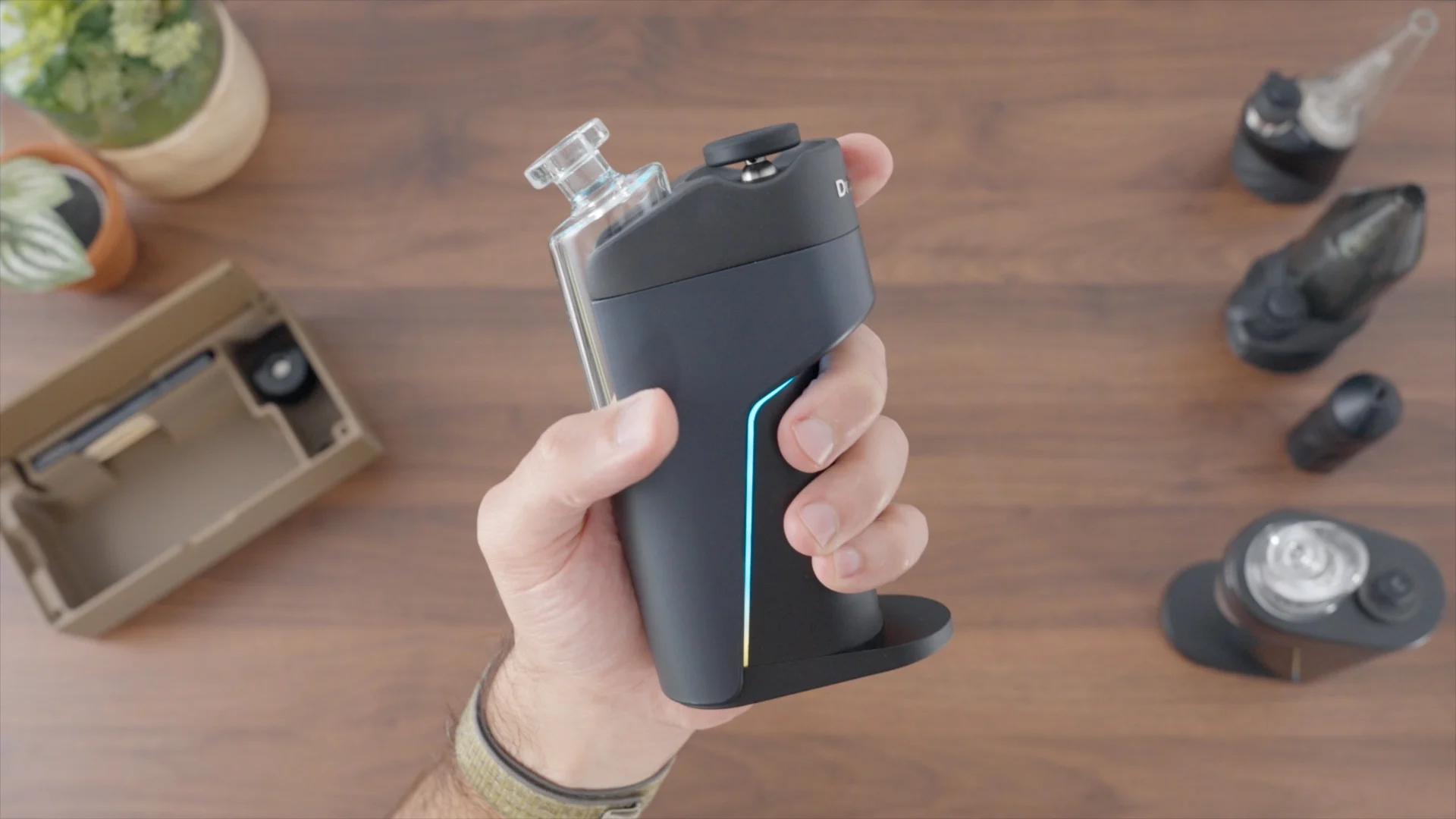
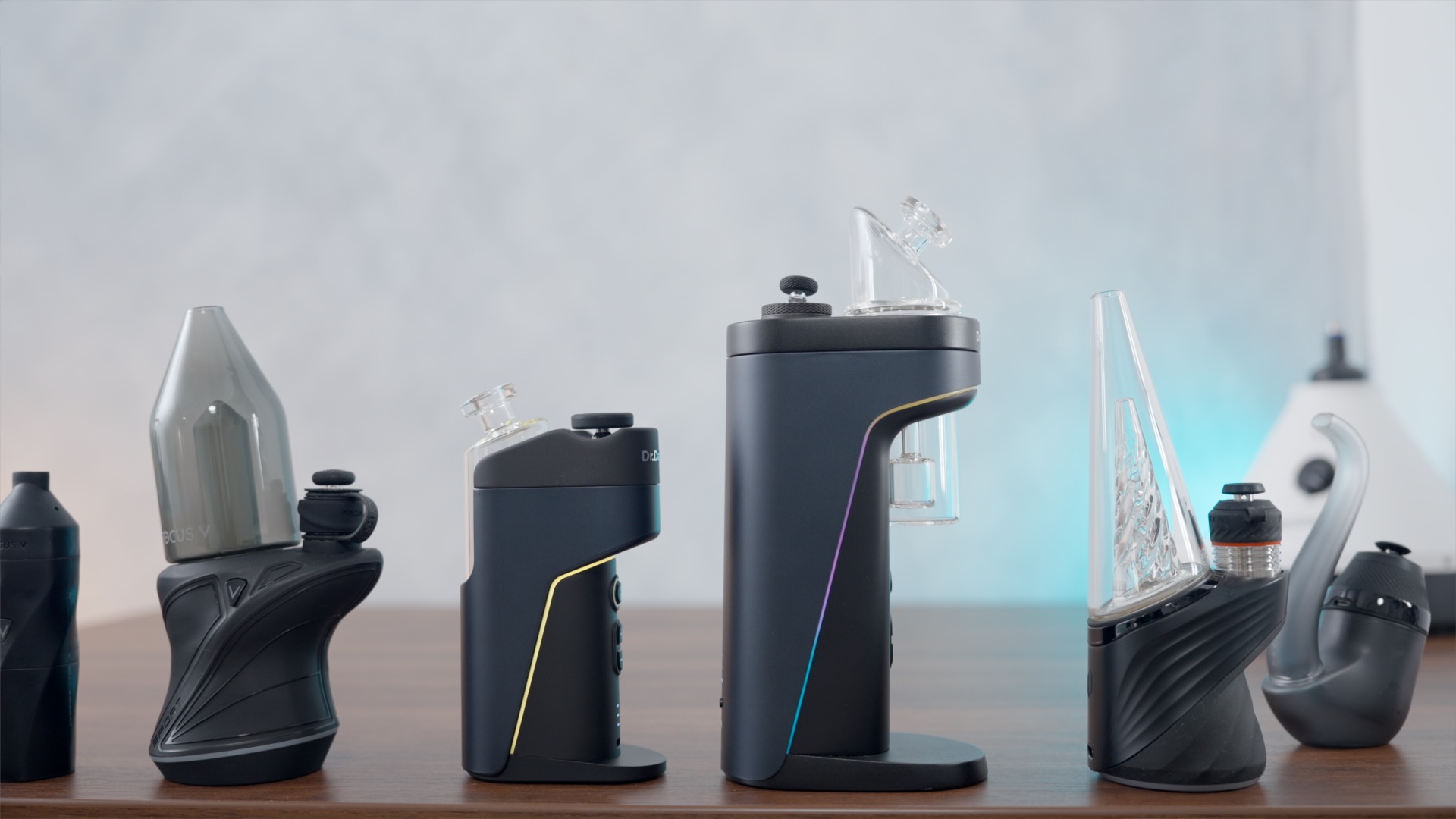
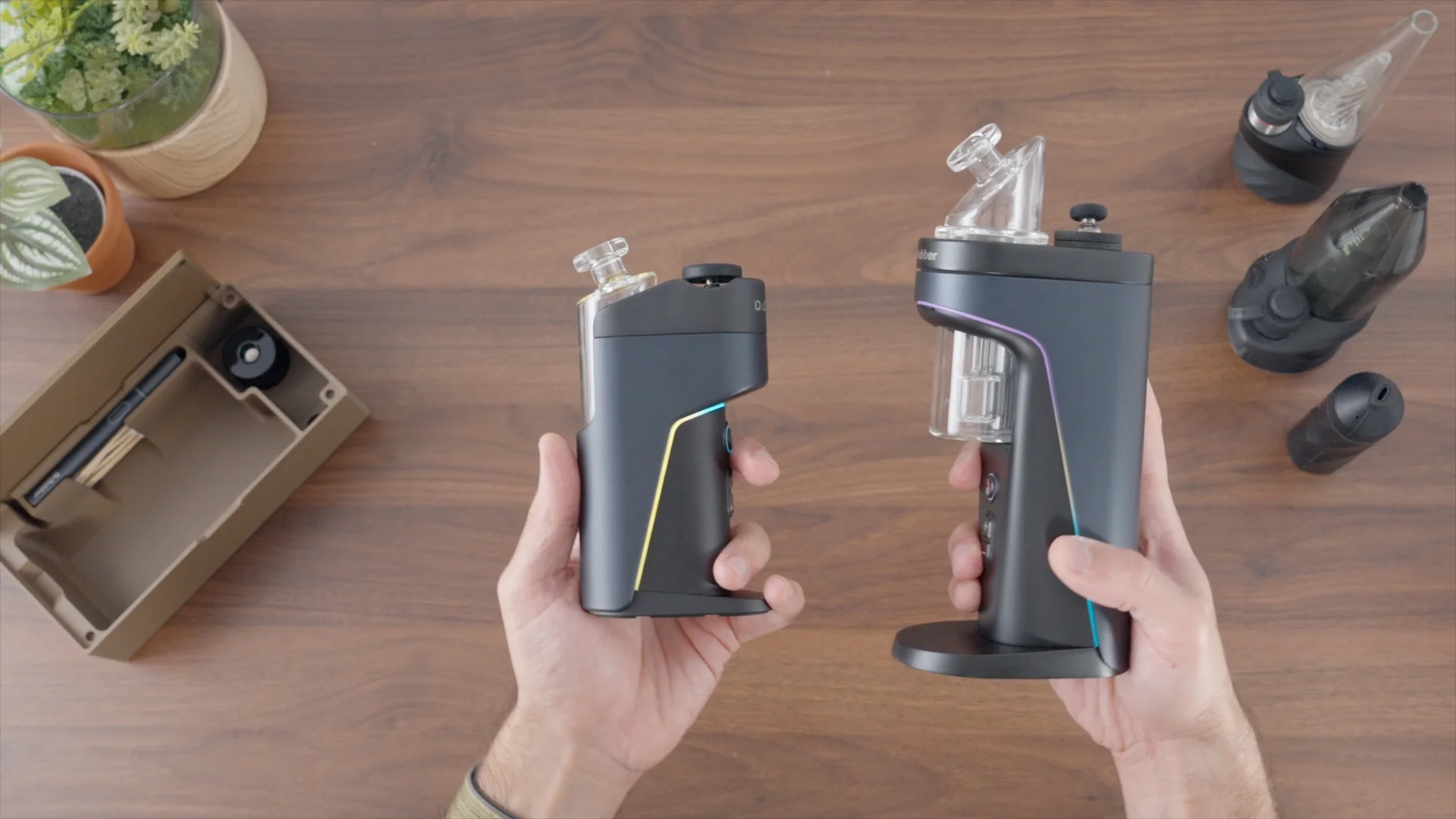
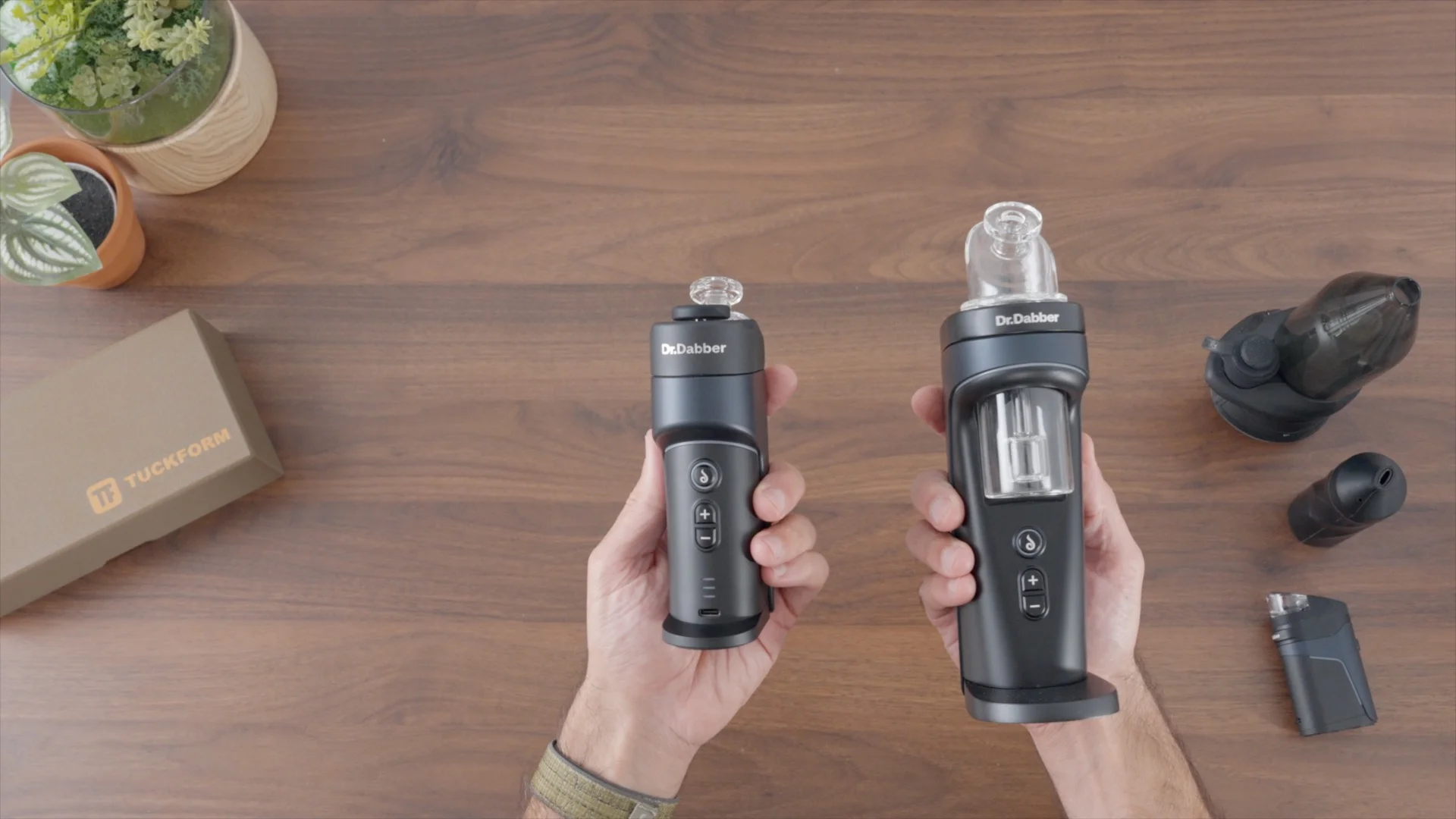
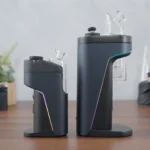
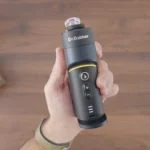
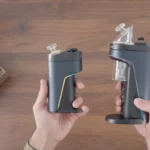
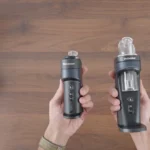
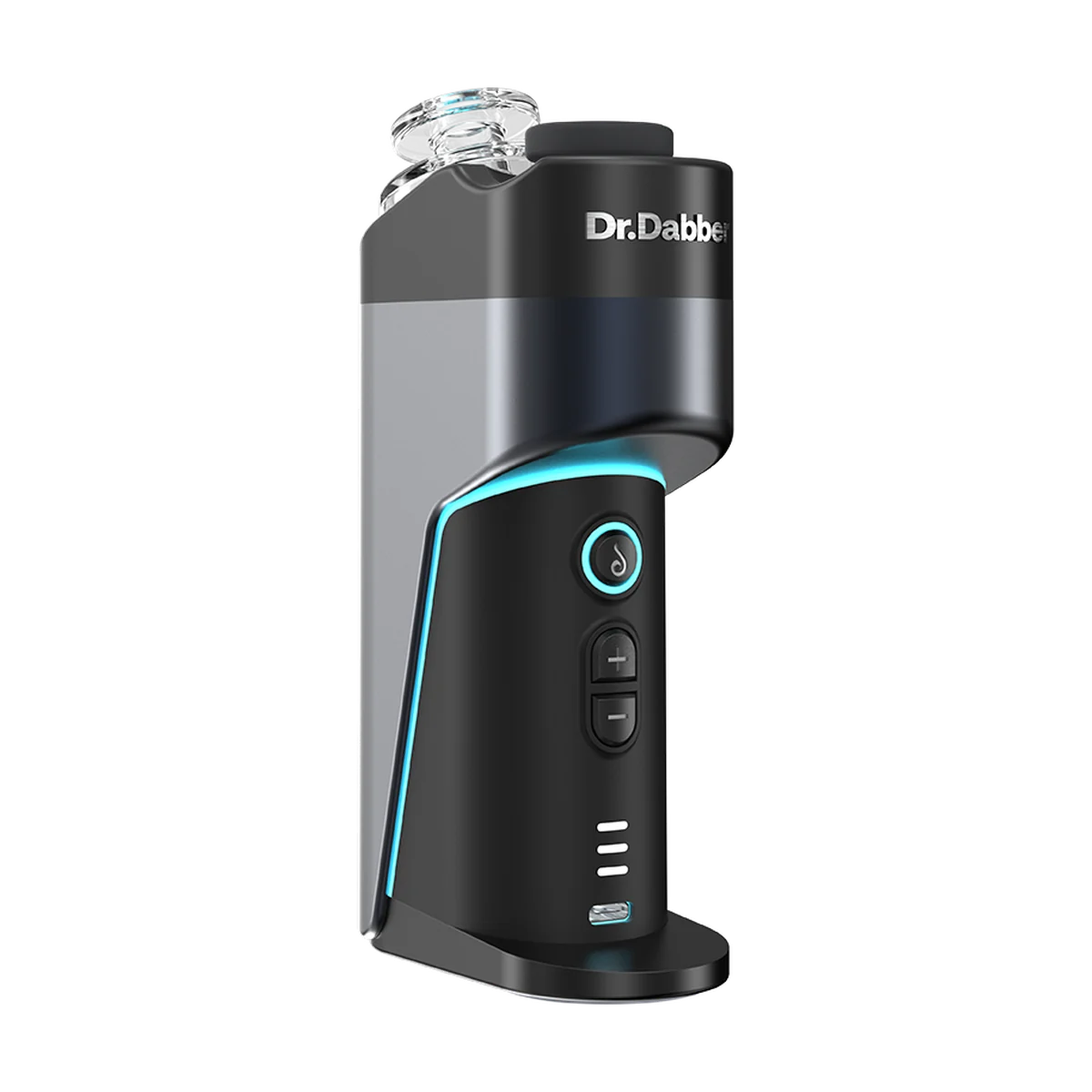
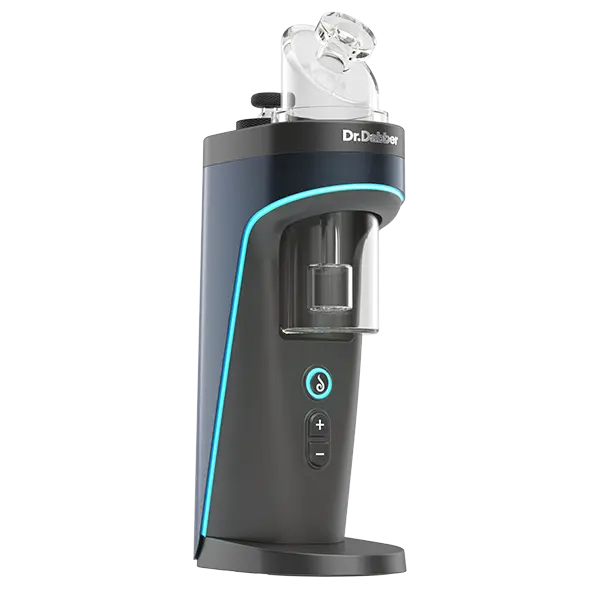
The Switch Go takes the same core design elements from the Switch 2 and shrinks them down into a more compact, more portable package. It’s noticeably smaller in hand, easier to carry, and just more proportional and practical for everyday use, especially if you’re taking it outside the house. Where the Switch 2 sits on a desk and announces itself, the Go disappears into a backpack pocket.
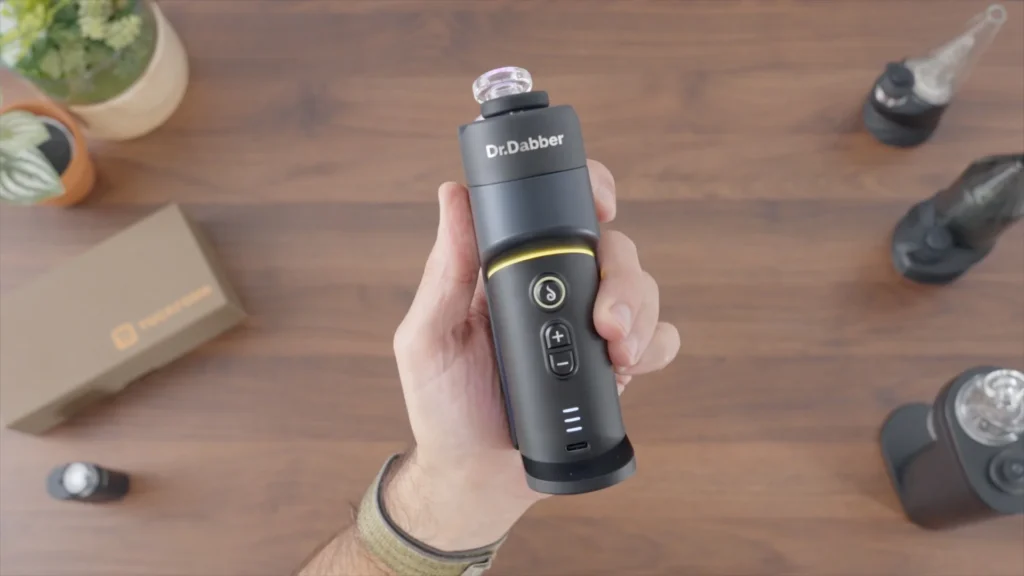
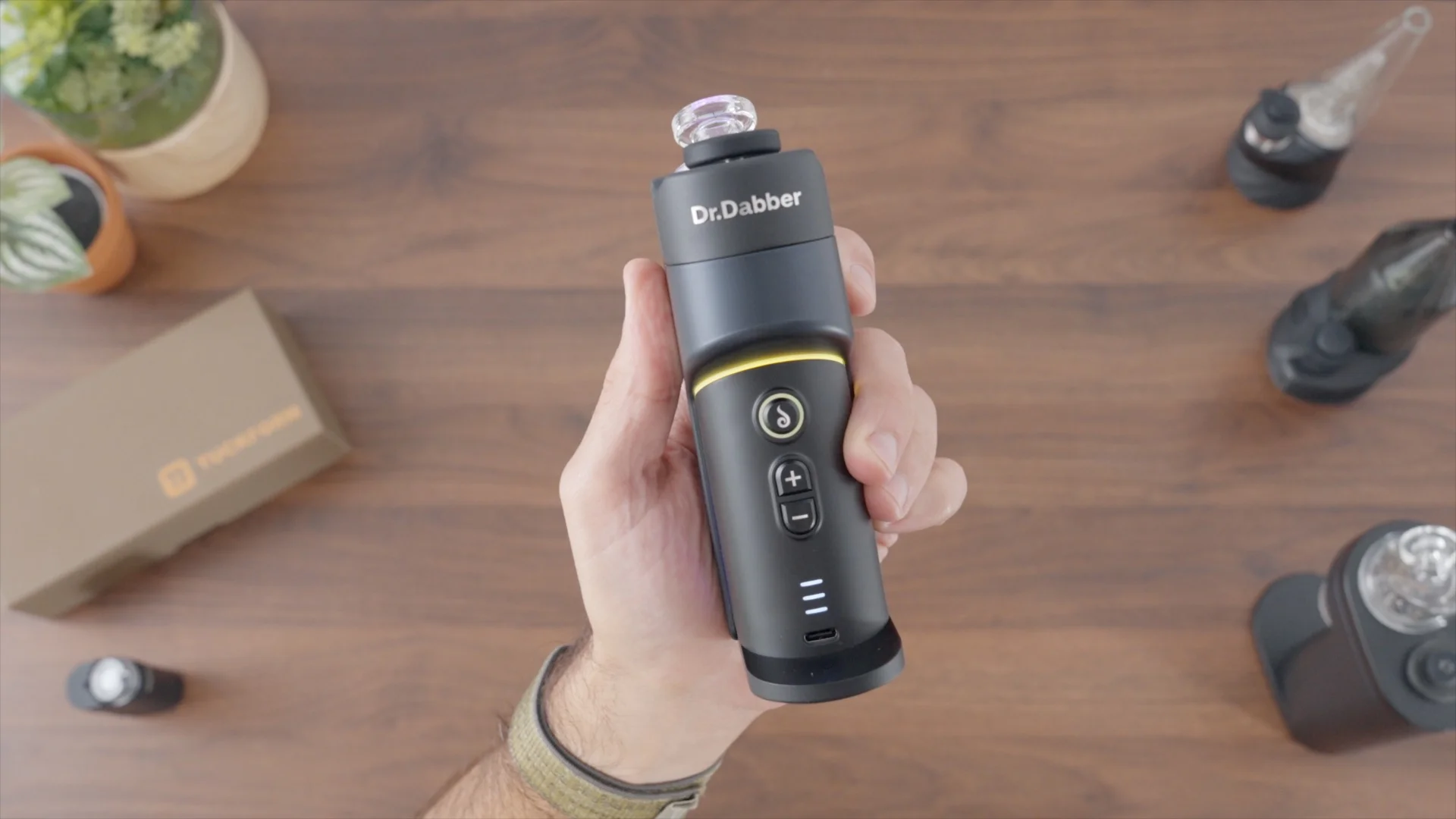
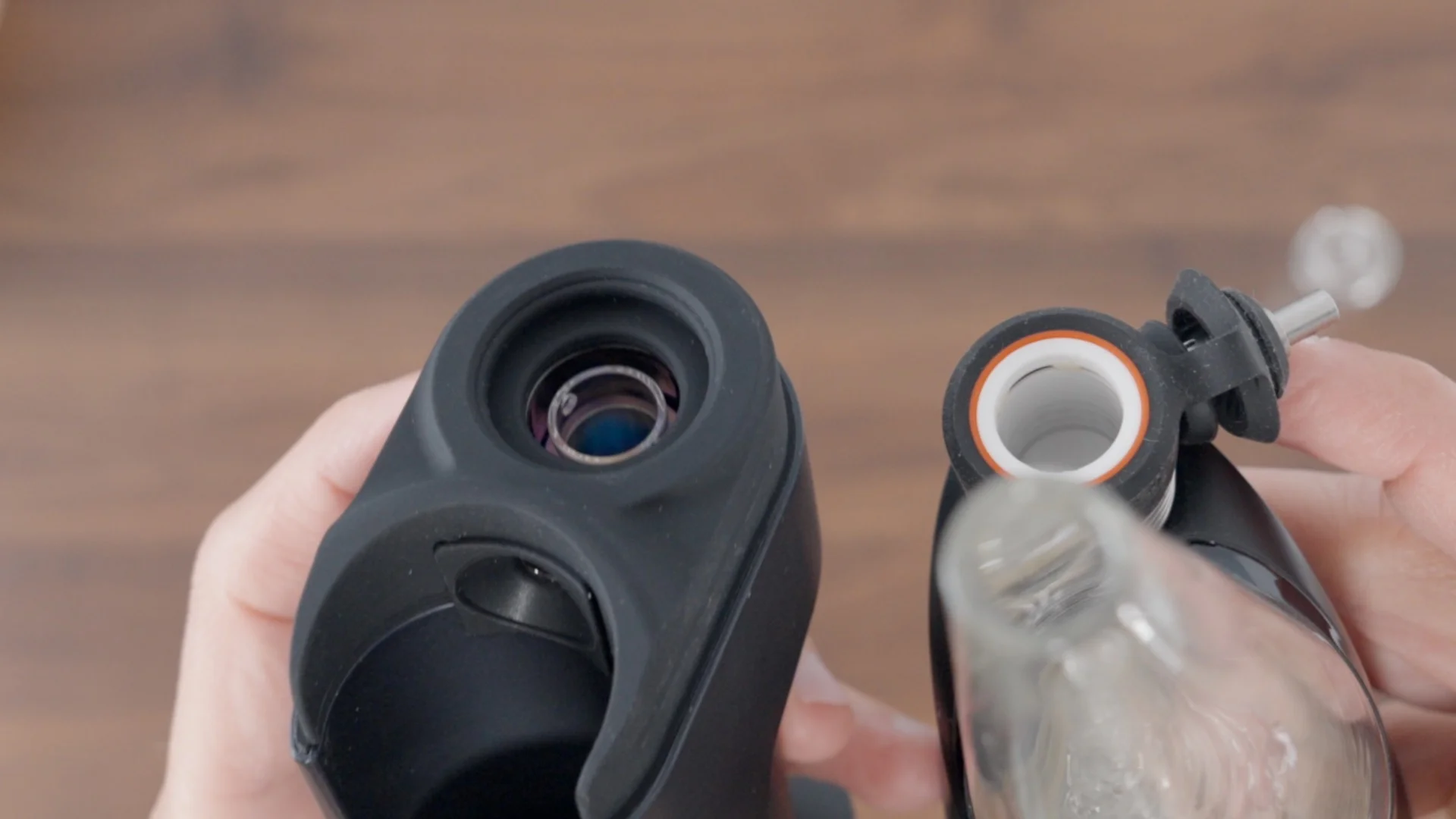
The device breaks down into a handful of core components: carb cap, metal cover, glass bubbler, quartz insert, and the body that houses the interface, battery, and heating element. Let me walk through each one.
Heating System: Dual Parallel Mesh + RTD Sensor
This is the biggest architectural change from the Switch 2. The GO does not use induction heating or an infrared temperature sensor. Instead, it uses a dual parallel mesh heating system paired with a contact RTD temperature sensor.
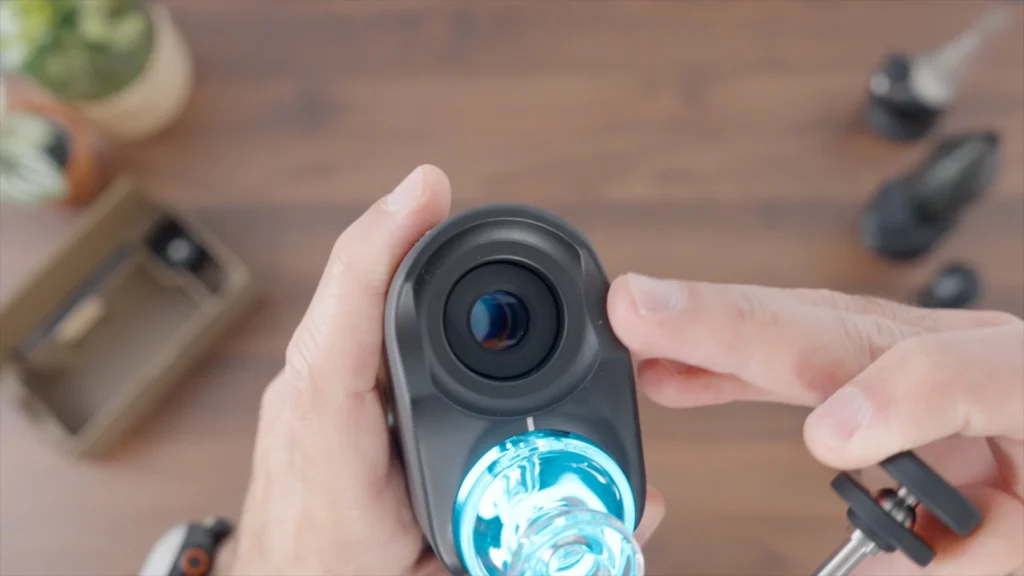
In plain English: inside the device are two ultra-thin heating meshes that heat the titanium chamber from the sides AND from the bottom using direct electrical heating. An RTD temperature sensor just means it physically touches the heating assembly and constantly monitors the actual temperature in real time. So rather than dumping power into a coil blindly, the device is actively measuring and adjusting throughout the session. The result is precise temperature control in a smaller, simpler, and more power-efficient package than the induction system used in the Switch 2.
For context on how good this needs to be: when I first got the device to beta test, I used it for weeks thinking it was still induction. Only later did I find out it doesn’t use induction at all. That’s how close the experience is. I’ll talk about it more in the performance section.
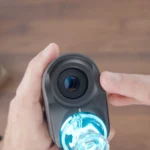
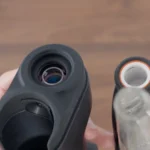
Chamber and Quartz Bowl
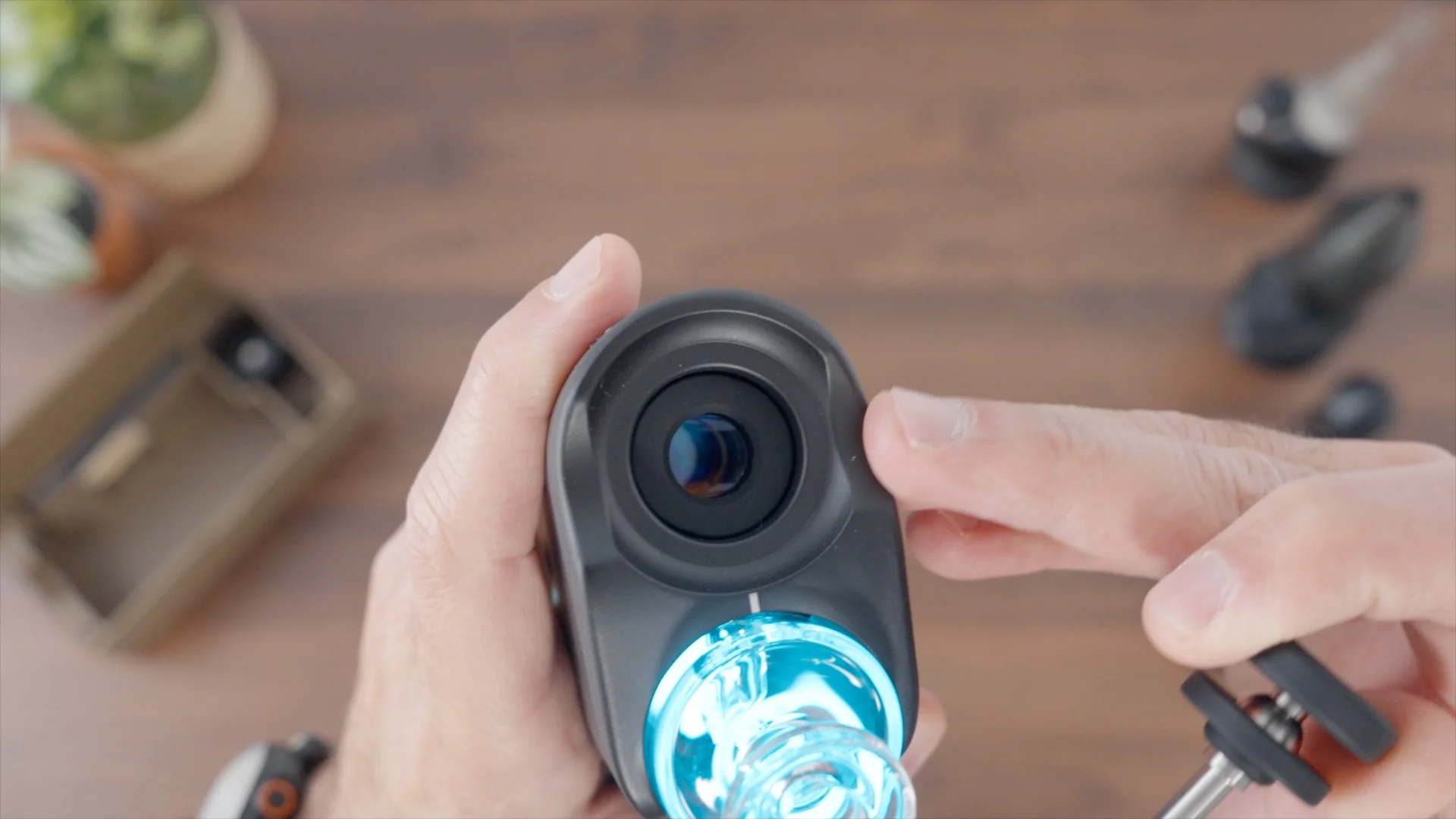
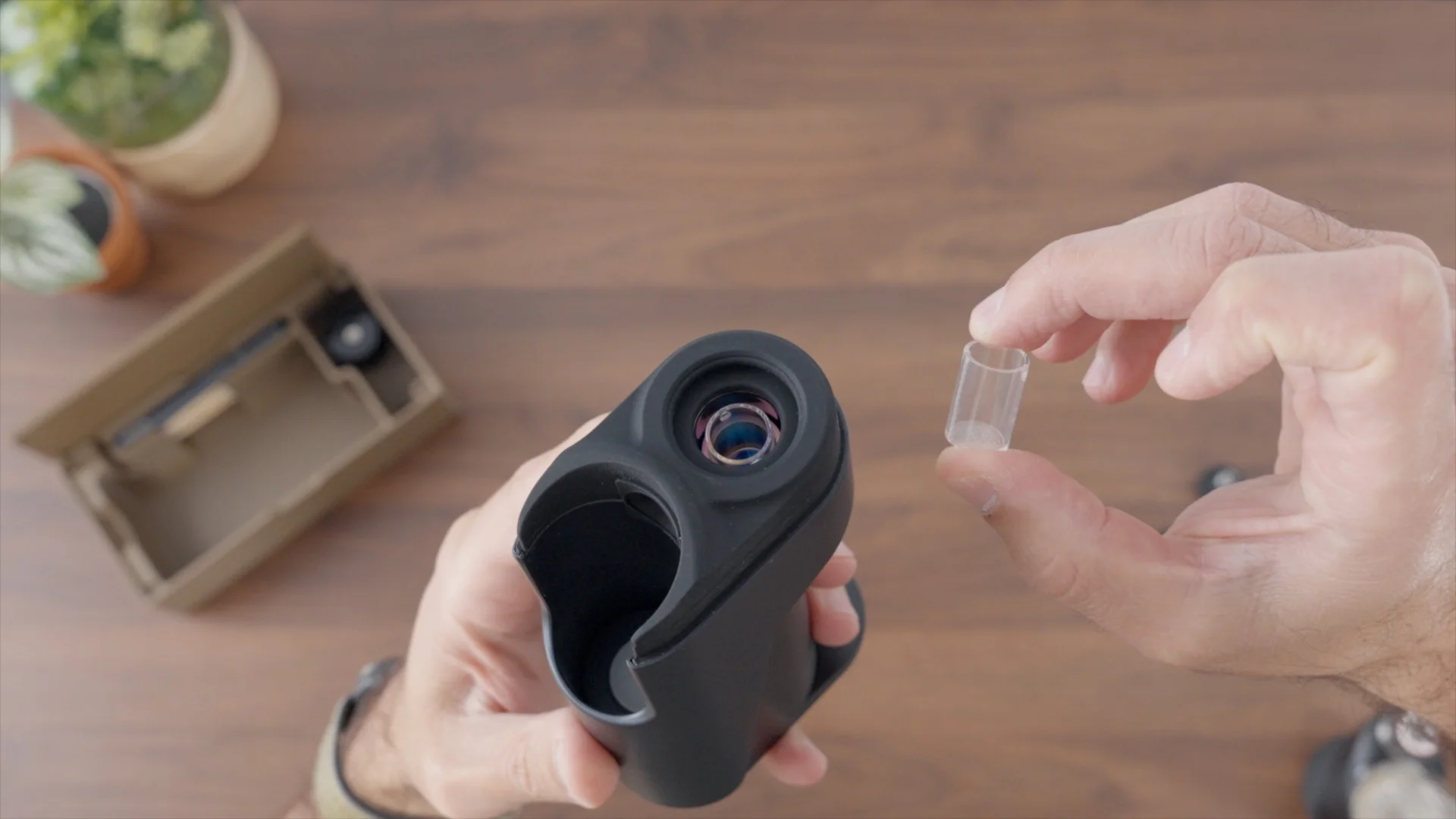
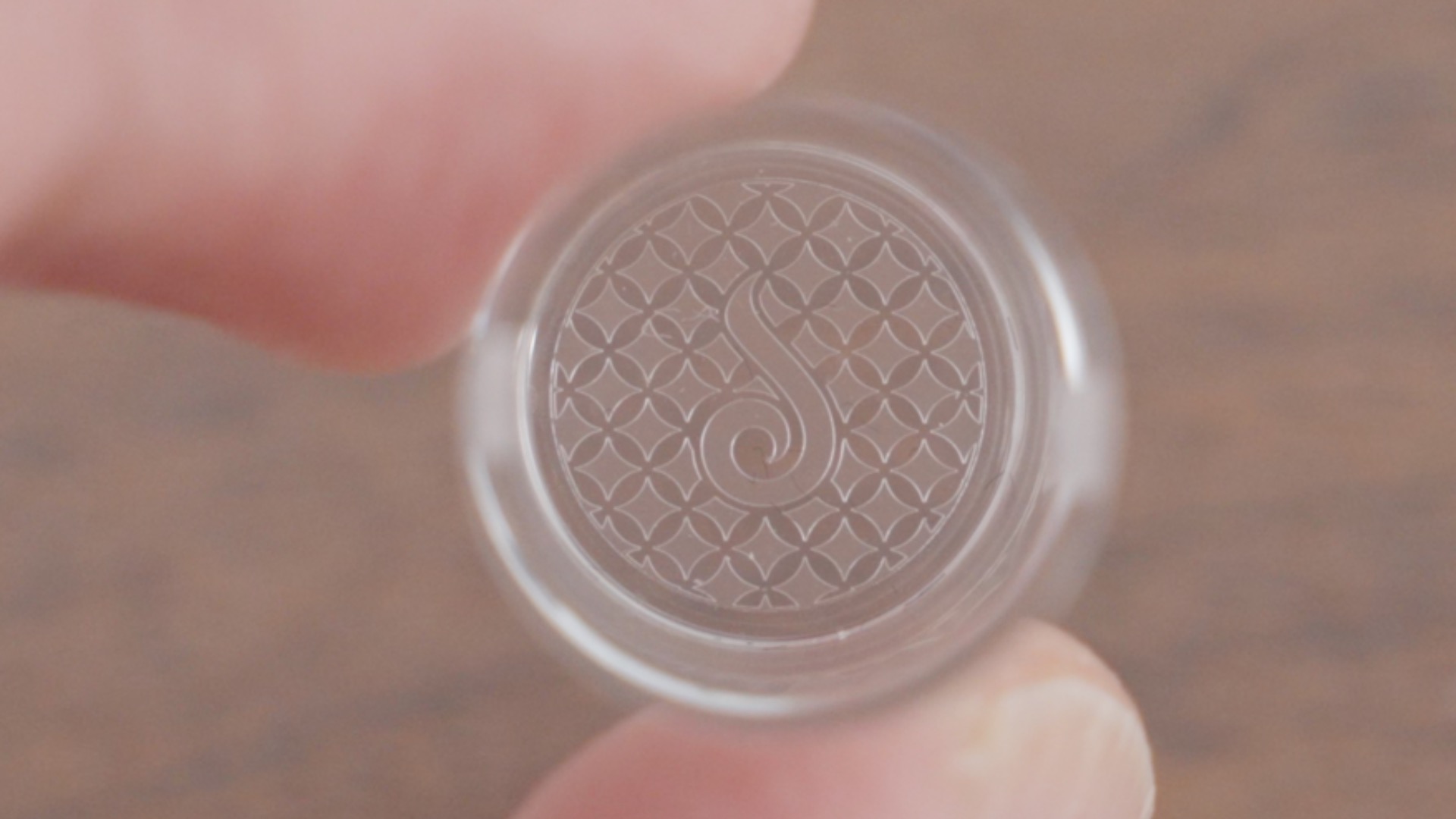
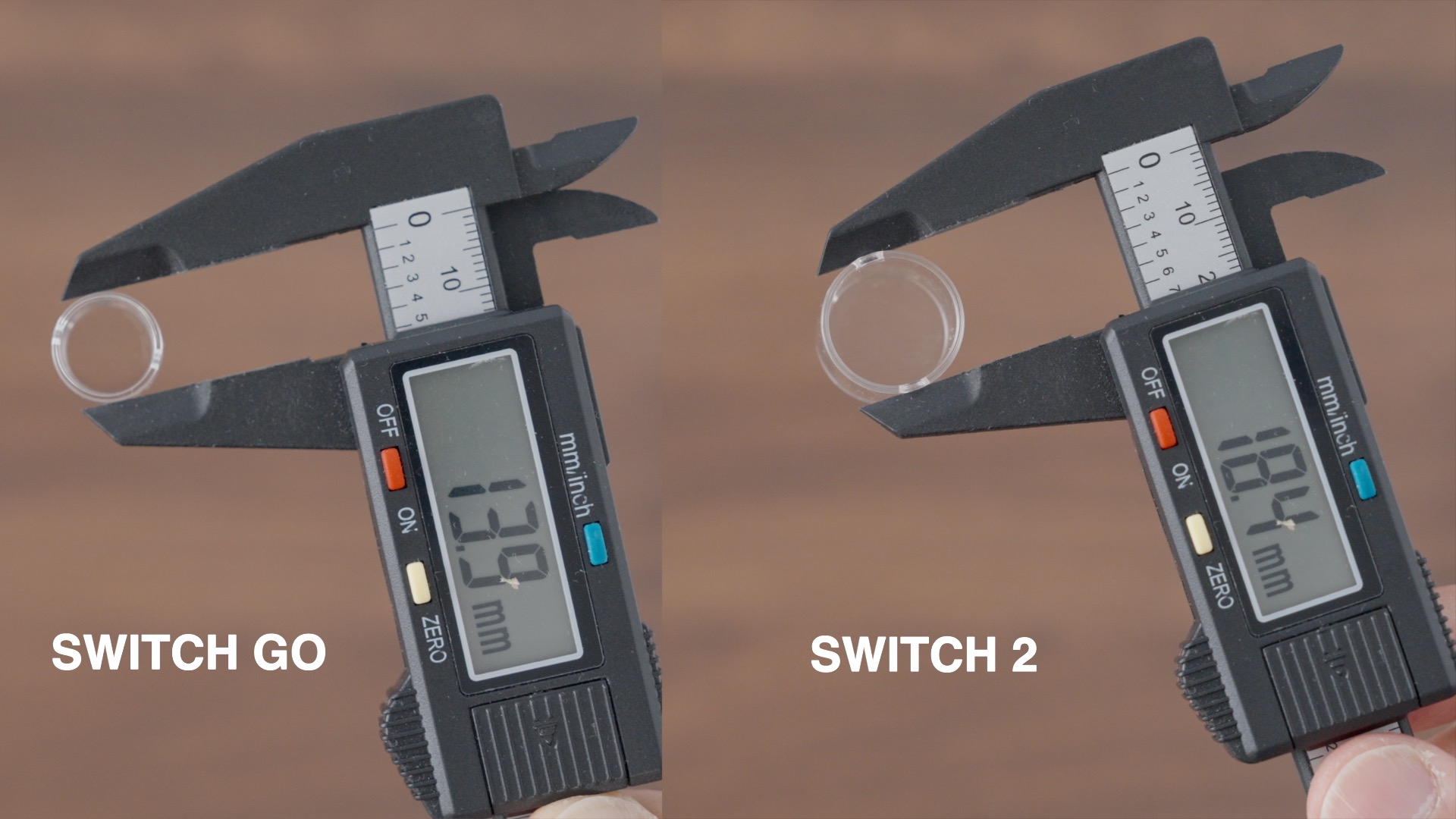
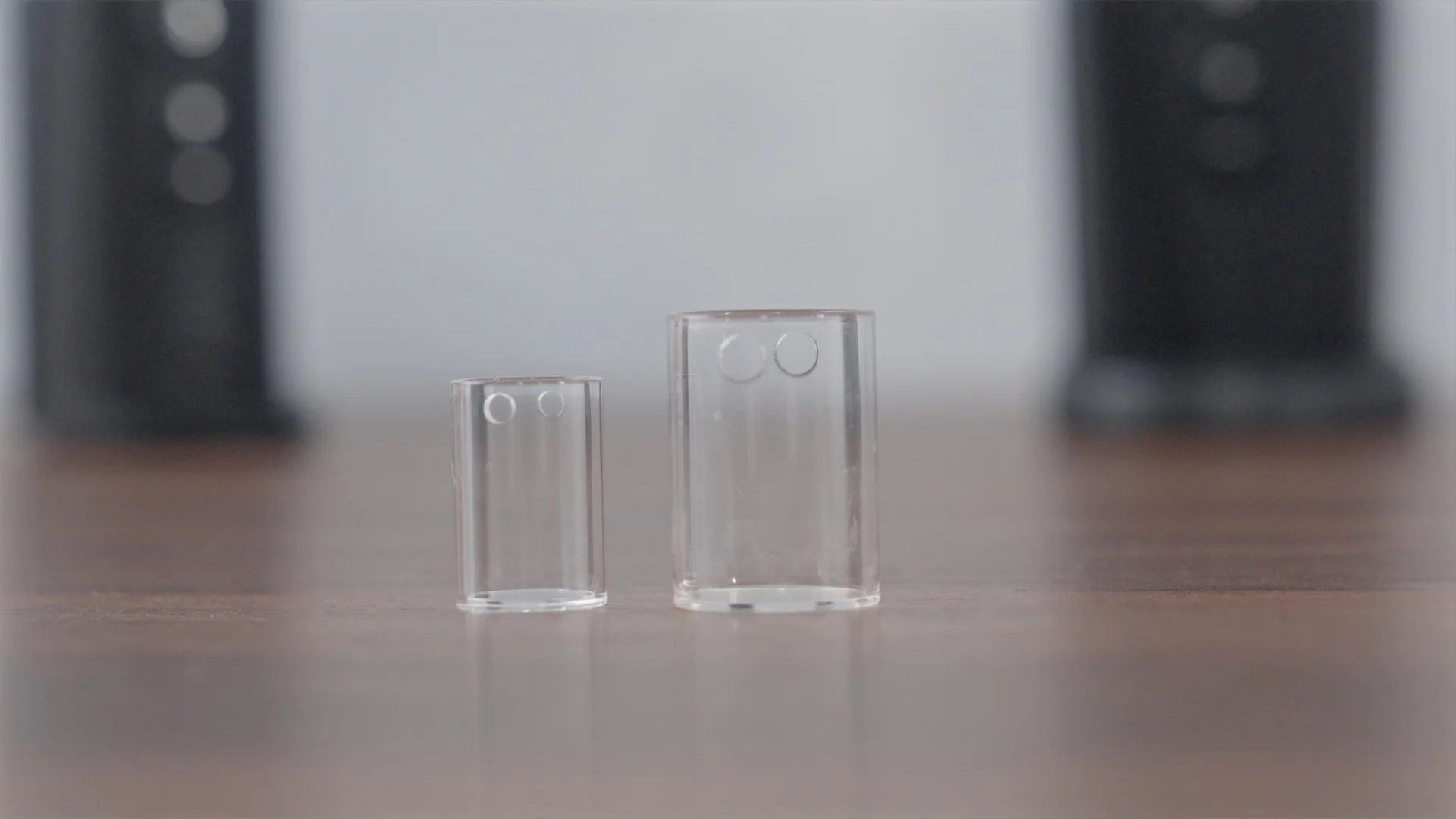
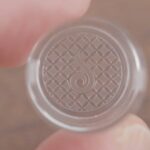
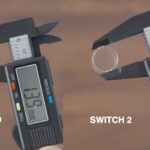
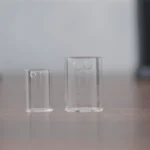
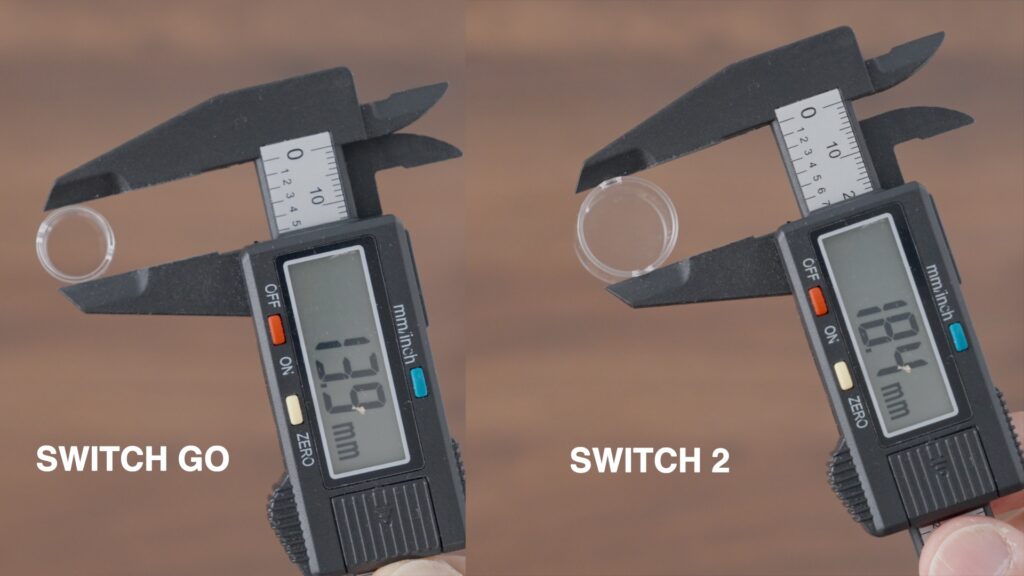
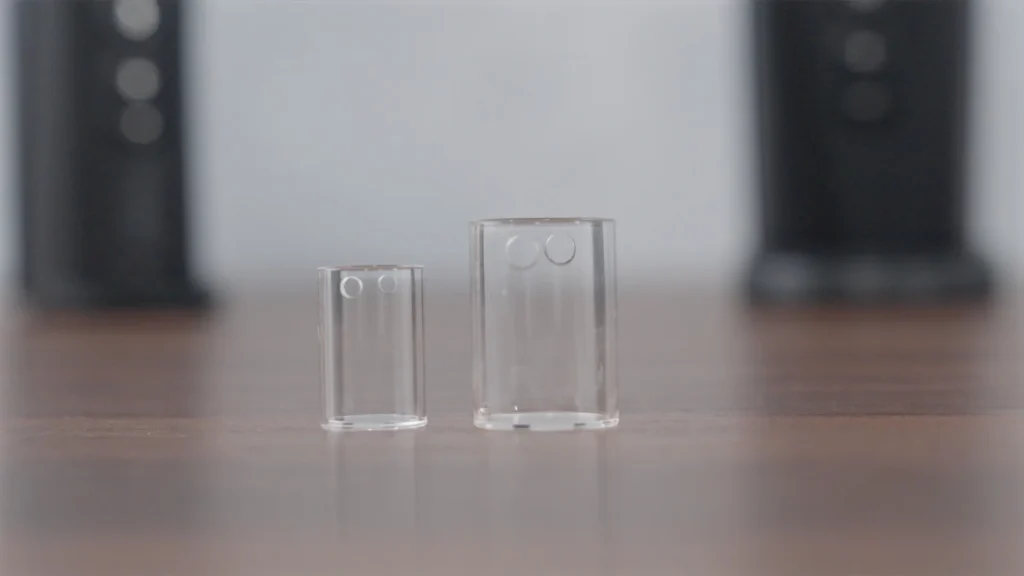
The small quartz bowl is obviously smaller than the Switch 2’s, and it sits inside the titanium chamber. So the heating element heats the titanium chamber, which heats the quartz bowl, which heats the material inside.
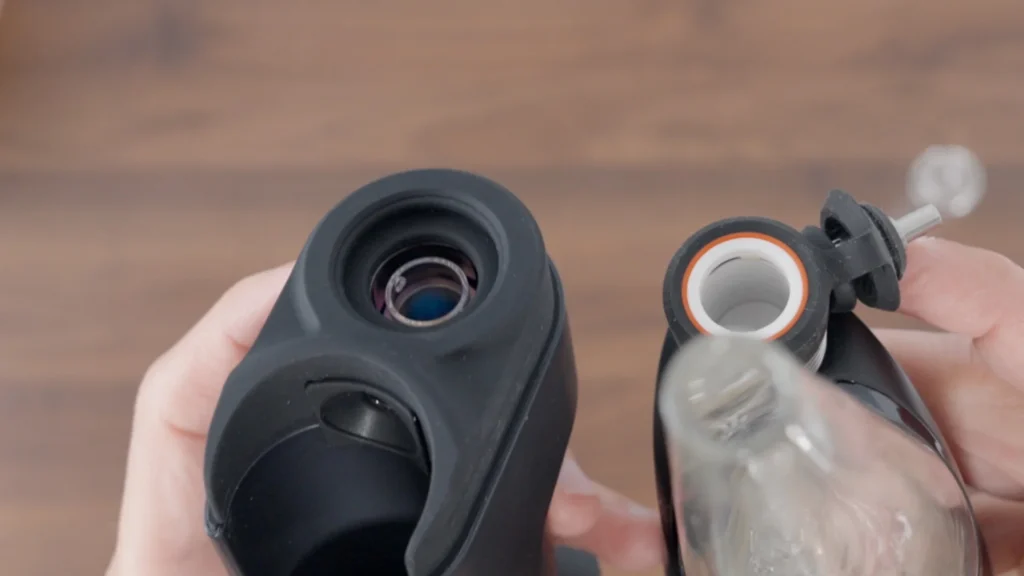
This design is fundamentally different from chambers that have an electric heating coil embedded inside the walls of the ceramic chamber (think Puffco Peak Pro, Carta Sport), and it has a couple of real benefits that have been proven over a full year on the Switch 2:
- Cheap, easy bowl replacement. You’re only paying for the lining, not the entire heating element. No buying a $50-$100 atomizer every 6 months when the coil gives out.
- Swap inserts to change the flavor profile. The Go has an optional Sapphire Plus insert available right at launch (more on that below).
Bubbler
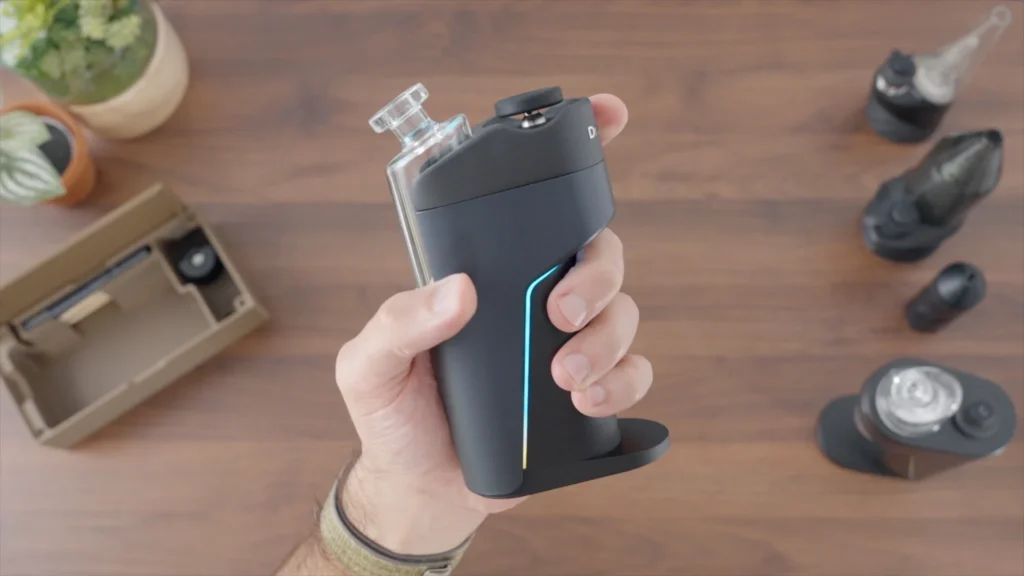
The bubbler is smaller and simpler, but what I really like is that it’s recessed, sitting deeper inside the body of the device rather than sticking out. Better for stealth, and better for safety. Less exposed glass means fewer opportunities to break it when you’re tossing it in a bag.
Carb Cap and Cover
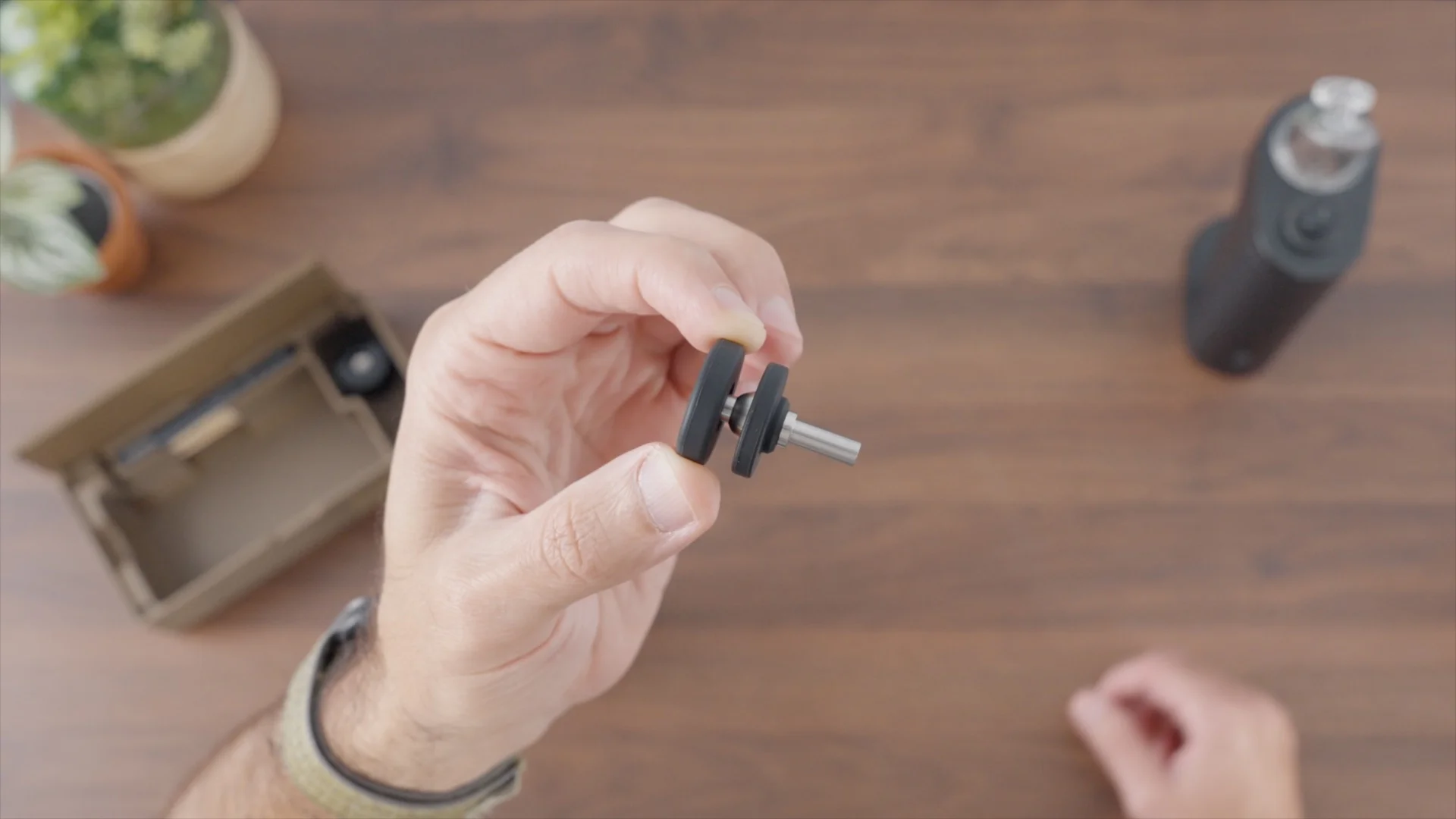
The carb cap is made from stainless steel, unlike the Switch 2’s glass stem. It’s also wider, and the air intake holes have been moved from the top to under the cap, so it’s now impossible to accidentally block them with your finger.
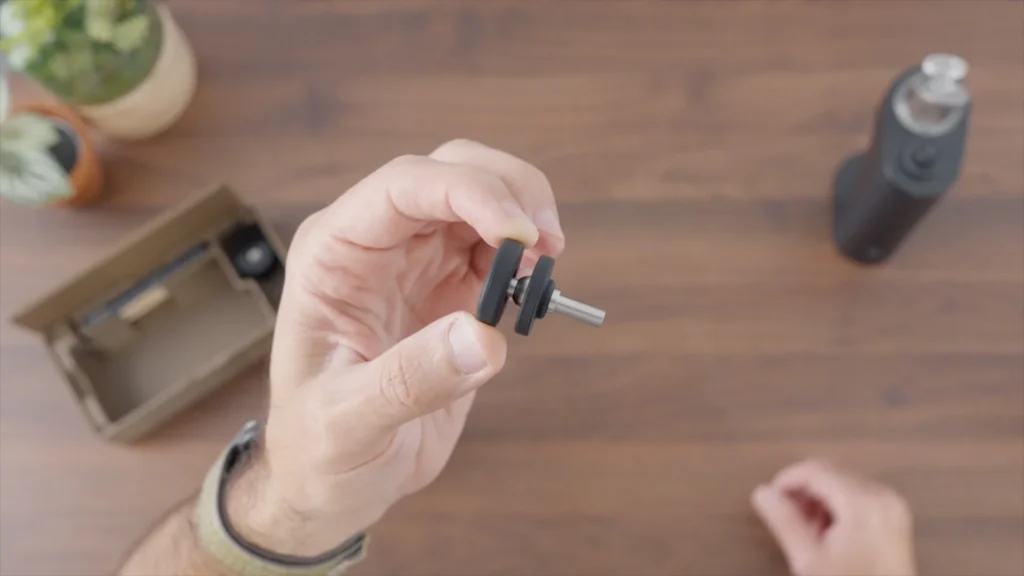
Honest tradeoff: I personally prefer the narrow grip on the Switch 2’s glass stem. It’s just easier to spin and move around. The Go’s wider stainless cap is functionally better but ergonomically a step back.
There’s also a hidden quality-of-life improvement here I really appreciate: you can now remove the top cover without having to pull the glass out first, unlike the Switch 2. Getting to the chamber requires one less step.
Buy Once, Cry Once: No Atomizer to Replace
The Switch Go inherits one of the Switch 2’s biggest long-term selling points: there’s no atomizer to burn out. That’s a huge deal that almost nobody talks about up front, but it’s the difference between a device that ages well and one that quietly starts costing you $50 to $100 every few months.
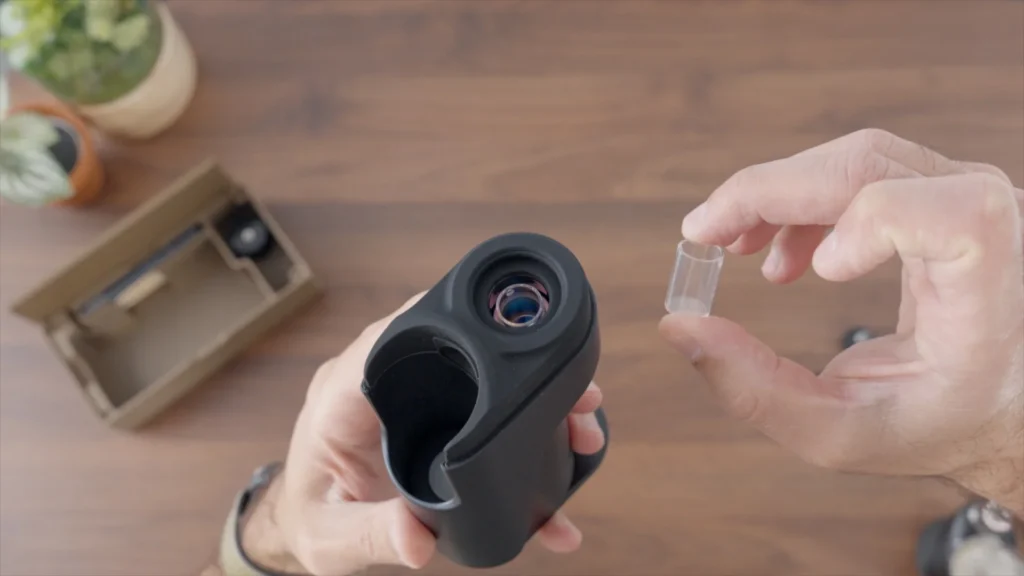
On devices like the Puffco Peak Pro or the Carta, the heating coil and the bowl are fused into one component. After 200 to 2,000 sessions (depending on usage), that coil eventually fails, performance drops, and you’re buying a new atomizer. On the Switch family, the bowl is just a quartz liner. The titanium chamber is the heating element, and the heating meshes never touch the extract.
Over the year I’ve owned the Switch 2 (and over 2k sessions), this design choice has saved me an easy $200 in atomizer replacements vs. running a Puffco at the same volume. The Switch Go uses the exact same approach. If you’re a daily user, that math compounds fast.
App and Updates
The Switch Go uses the same Bluetooth smartphone app as the Switch 2, which is good news because that app has matured. Beyond live chamber temp, custom presets, and LED settings, Dr. Dabber has rolled out firmware updates over the past year that meaningfully tightened up temperature accuracy and heating curves. They also pushed a cleaning assist cycle that holds the unit at 100°F to loosen residue. There’s every reason to expect the Go gets the same long-term love.
The practical takeaway: this is a device that gets better after you buy it, not worse.
Cleaning
Because the architecture is the same as the Switch 2 (no coil in the chamber, no fragile element to babysit), the cleaning routine is the same and stays minimal. My routine looks like this:
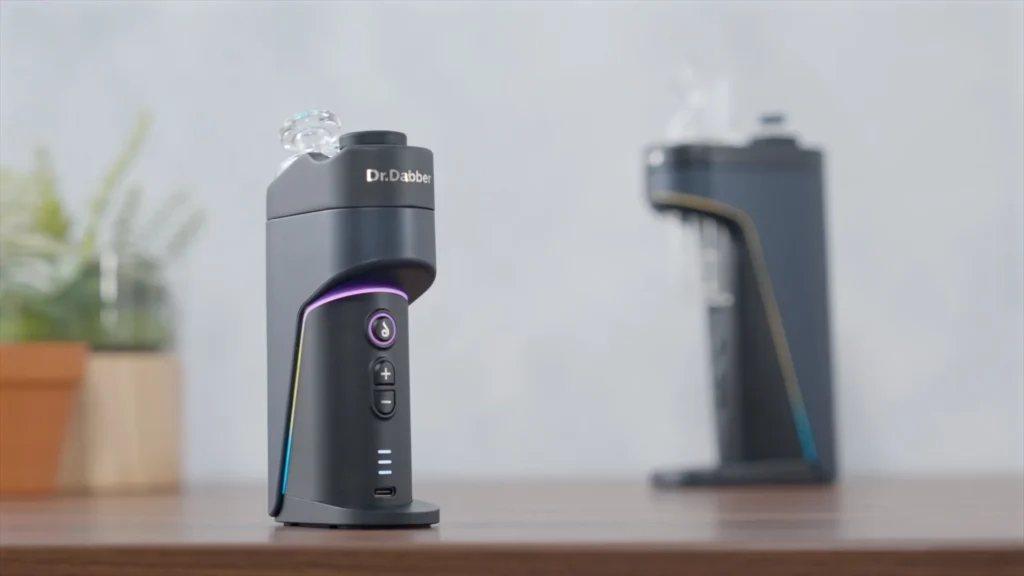
- After each use: a quick wipe of the quartz cup with Glob Mops.
- As needed: rinse and clean the glass bubbler to keep the vapor path clear.
- Every 20 to 30 sessions: alcohol wipe on the ceramic areas around the chamber and airpath.
That’s it. I hate cleaning, and the Switch family keeps it to an absolute minimum.
Performance
So what does the difference in heating systems (induction with an IR sensor on the Switch 2 vs. electrical heat with an RTD sensor on the Go) mean in practice?
In reality, there is a slight performance difference in favor of the Switch 2, but that’s only noticeable toward the heavier-use end of the spectrum. If you consistently run high temps, do aggressive sessions, share your device, or regularly load large amounts, you might push limits that the Switch 2 handles more comfortably. For the normal, everyday user, the performance difference is minimal.
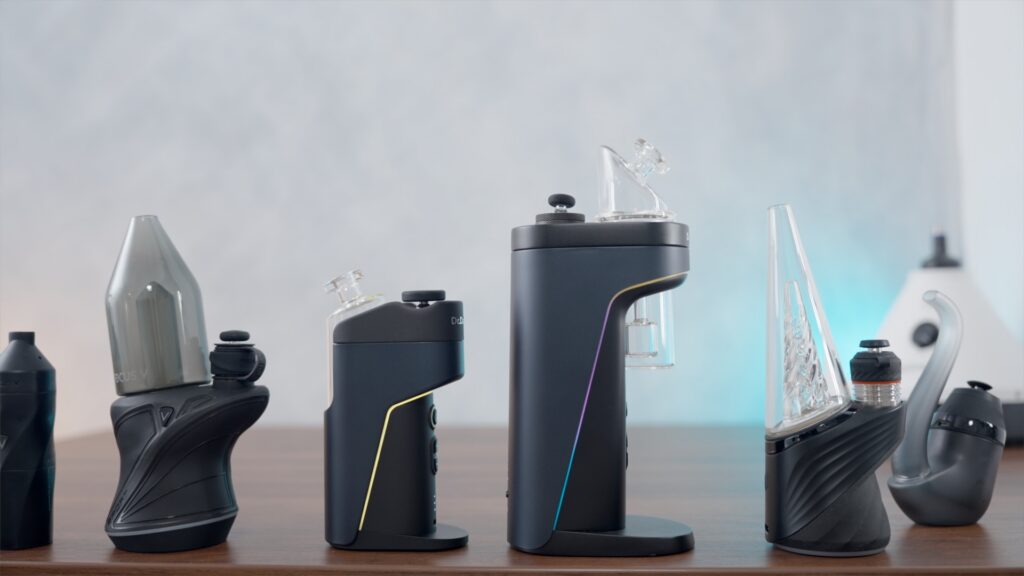
And that’s a bigger deal than it sounds. The Switch 2 has been my benchmark for concentrate devices for a while now, and I still consider it the best on the market. Matching that vapor quality in a smaller, cheaper, simpler package is an impressive thing to pull off. Flavor stays clean, vapor is dense, and consistency across sessions has been excellent.
The Sapphire Plus Insert: Worth It?
Dr. Dabber launched a Sapphire Plus insert alongside the Go (it’s the same lab-grown sapphire crystal as the Switch 2’s version, just sized for the Go’s chamber). It runs around $129 from Dr.Dabber or from VGEAR.
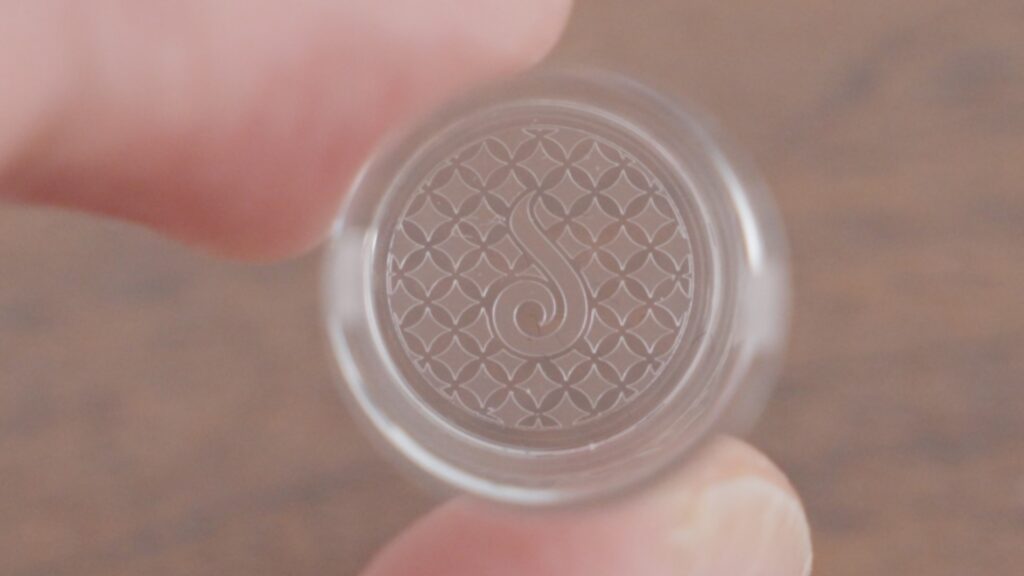
Same verdict as on the Switch 2: most people will not notice the difference. Sapphire is less porous and slightly easier to clean than quartz, and there’s a marginal flavor bump, but I’d save the money and stick with the stock quartz insert. The Sapphire is for enthusiasts who want the highest-grade material for the sake of it, not because it transforms the experience.
Switch Go vs. Switch 2
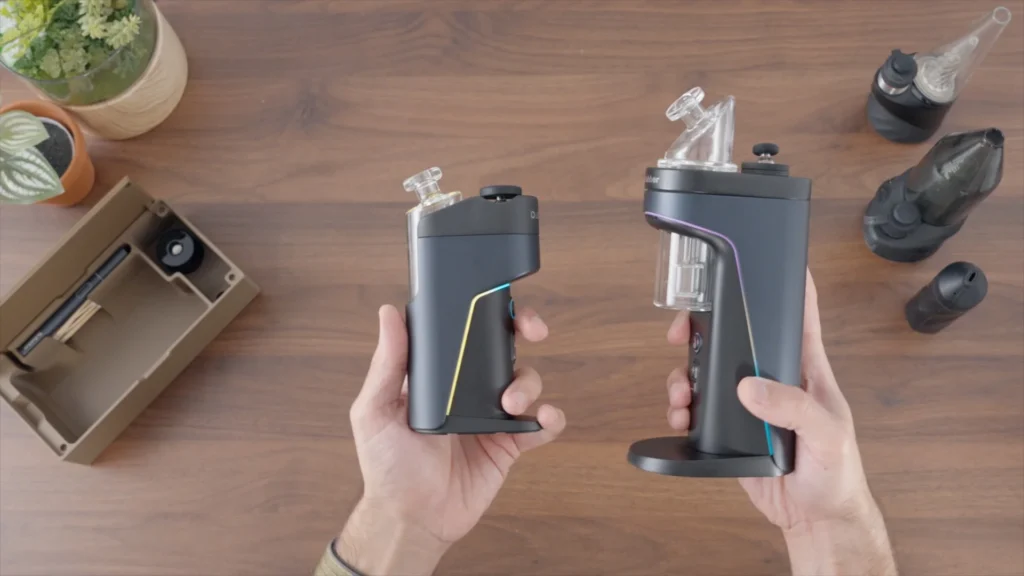
Here’s the head-to-head, distilled:
- Heating: Switch 2 uses induction with an IR sensor. Switch Go uses dual parallel mesh resistance heating with a contact RTD sensor. Switch 2 has a small edge at high-volume, high-temp use. Switch Go is more power-efficient, and basically identical for everyday sessions.
- Chamber size: Switch 2 is bigger, better for heavy use or shared sessions. Go is smaller, plenty for solo use.
- Bubbler: Switch Go’s recessed bubbler is more stealth-friendly and less prone to breaking than the Switch 2’s exposed glass.
- Carb cap: Switch 2’s narrow glass stem is more ergonomic to move around. Switch Go’s wider stainless steel cap has its air holes underneath, so it can’t be accidentally blocked.
- Access: Switch Go lets you remove the top cover without pulling the glass first. Switch 2 makes you do both.
- App and firmware: Same app, same firmware approach.
- Form factor: Switch 2 is a desk piece. Switch Go actually goes places.
- Price: Switch Go is $330. Switch 2 is $420.
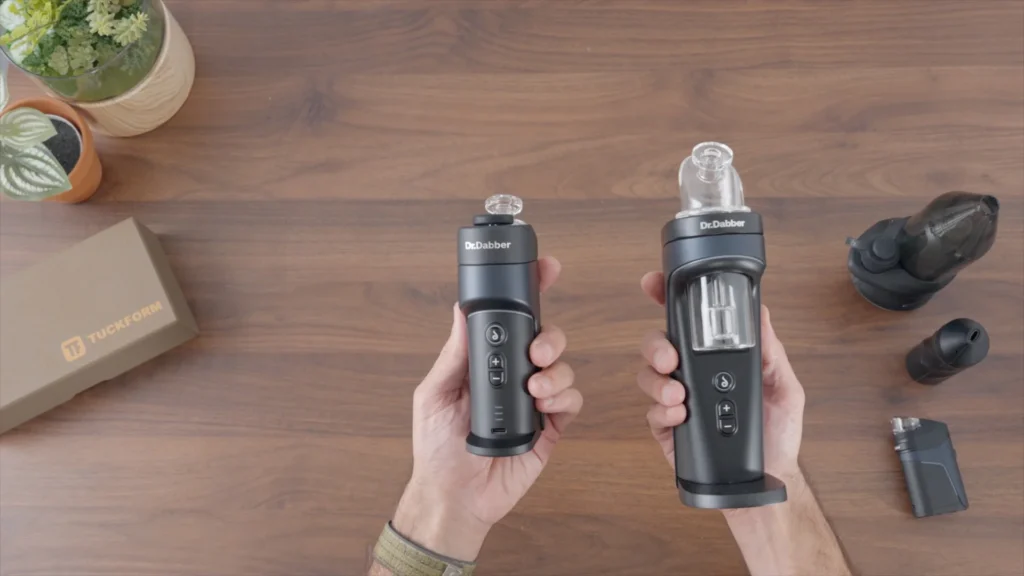
If you’re cross-shopping at the lower price point, the closest alternatives are the Puffco Proxy ($250) and the Carta Sport ($235). Both are excellent in their own right, but neither matches the Switch family’s chamber design or long-term value (you’ll be replacing coils on those eventually). And if you want pocket-sized over eRig form factor entirely, the Dr. Dabber Ghost 2 dab pen is the natural budget pick from the same brand.
Check out my best concentrate vaporizers list for more options, I regularly update it with new releases.
Drawbacks
The smaller chamber is the main one. High-volume users are better off with the Switch 2’s larger chamber, full stop. And with a chamber this thin, a hot knife isn’t really optional. It’s a requirement for clean loading. That’s about $40 extra unless you already have one, so factor it into the real cost of entry. VGEAR sells bundles that include one.
Outside of that, the new design decisions are mostly improvements, and nothing here feels like a step backward.
Bottom Line
Dr. Dabber cooked on this one.
They took the form factor that makes the Switch 2 so unique and packaged it into something smaller, cheaper, and more practical, with almost no sacrifice. For most people, I’d actually say skip the Switch 2 and go for the Switch Go. Practically the same performance, improved ergonomics in most places, smaller profile, lower price, and the same long-term “no atomizer to replace” value story.
The Switch 2 still makes sense for power users who need that bigger chamber or for people who want the absolute top of the line and don’t care about portability. But for the everyday user, the Go is the new default. It’s become my daily driver, and I can’t get enough of it. If you’ve been waiting for the right time to upgrade from a coil-based device, this is it.
The Switch GO is the best eRig you can buy when it comes to value. Big boy performance at a fair $330.